How do you know if you have creosote buildup?
Signs of Creosote Build-Up
- Reduced drafting in fireplace.
- Less ash and more wood in fireplace after a fire.
- Black soot in and around fireplace.
- Very dark smoke from chimney.
- You can visibly see more than 1/8 of an inch of soot build-up.
Where does soot build up in chimney?
Soot and creosote are byproducts of burning wood. They both accumulate in the flue liner of fireplaces and wood stoves.
In which part of fireplace The creosote is accumulated?
Creosote buildup is the accumulation of creosote within the internal walls of a chimney or flue.
How do you keep creosote from building up?
The best way to control creosote is to prevent its buildup by maintaining a briskly burning fire with dry, well-seasoned wood. Maintain a flue temperature exceeding 250 degrees Fahrenheit to prevent creosote condensation. Some new, more efficient stoves deliver more heat to the room than an open stove or fireplace.
Training Video #12 - Creosote Build up
Where do most chimney fires start?
Most chimney fires start inside the flue where there's either creosote buildup or a flue blockage of some kind. As heat from the fire reaches these flammable materials, the creosote or blockage ignites, starting a chimney fire.
Will a hot fire get rid of creosote?
One method to loosen crusty or tarry creosote so it flakes off and falls down into the firebox or fireplace is to burn aluminum cans in a very hot fire. While this method works, it does not clean the chimney of creosote completely, and chimney brush cleaning is still necessary.
What will dissolve creosote?
Vinegar is a natural acid that will break down the creosote over time. All you have to do is pour vinegar onto the creosote and then wait for it to dissolve. If you want to take a more natural approach, try dissolving the creosote using salt water instead of vinegar or chemical cleaners.
Does wet wood cause creosote?
Burning wet wood can cause increased creosote production because of incomplete combustion of the firewood. As the moisture level of firewood increases the amount of creosote being produced by the fire can also increase.
How often should you sweep your chimney?
Both the NFPA and Spisto recommend getting your chimney cleaned and inspected once a year by a qualified professional. Carli says that regardless of chimney type, you should you have your chimney swept at least one time a year.
Do creosote sweeping logs work?
Many homeowners wonder if the chimney sweep logs or creosote sweeping logs really work to clean out fireplace flues and get rid of creosote residue so that the fireplaces are safe to use. The short answer is no, they don't work.
How can I tell if my chimney needs cleaning?
Here are our top 9 Signs that Your Chimney Needs to Be Cleaned:
- Oily Spots on the Walls of Your Fireplace.
- Poorly Burning Fires.
- Odors Coming from the Fireplace.
- Animals are Inside Your Chimney.
- Smoke Doesn't Rise Up the Chimney.
- Fires are Difficult to Get Started.
- Chimney Soot is Falling from the Chimney.
How do you test a chimney for creosote?
Use your fireplace poker.
Scratch the smoke chamber above your damper to see if there is any creosote. Even if the layer of tar seems very thin, it's time to call a chimney sweep ASAP. If you have more than 1/8 of an inch of buildup, do not use the chimney until it is clean.
What wood creates the most creosote?
In general, hardwoods like oak, ash, and beech are more difficult to ignite, but they last a long time. Softwoods like fir, pine and cedar make more smoke, and therefore more creosote.
Does all wood have creosote?
All Wood Creates Creosote
In fact, all wood does. But opponents of burning pine believe that it creates more creosote merely because it contains a lot of pitch. On the contrary, hardwoods can actually cause more creosote than softwoods like pine, as Lifestyle Energy explains.
Do Duraflame logs cause creosote buildup?
Independent tests show that duraflame® firelogs do not produce the hardened flammable tar deposits known as creosote, commonly produced from burning high moisture content wood fires. And the soot left in the chimney after burning firelogs has almost no BTU value so it can't be reignited to cause a chimney fire.
Should you sizzle firewood?
When it burns it will often sizzle and pop, and give off steam. It is not recommended for burning in a factory-built fireplace. Firewood should be split and stacked under cover in the early spring to be ready for burning in the fall.
What wood should you not burn in your fireplace?
7 Types of Wood You Shouldn't Burn in Your Fireplace
- #1) Softwood. Because of its high resin content, you shouldn't burn softwood in your fireplace. ...
- #2) Wet Wood. ...
- #3) Rotten Wood. ...
- #4) Moldy Wood. ...
- #5) Pressure-Treated Wood. ...
- #6) Driftwood. ...
- #7) Green Wood. ...
- Why You Should Burn Kiln Dried Firewood in Your Fireplace.
Does burning paper cause creosote?
Additionally, paper burns incredibly fast and can produce flames that shoot up and ignite creosote in your chimney, making it a flue fire risk. Pieces of burned paper may also float out of your chimney and pose a fire hazard to the roof or nearby surroundings.
What is the strongest creosote removal?
- BEST OVERALL: MEECO'S RED DEVIL 5-pound Creosote Destroyer.
- RUNNER-UP: Gardus SLK-24 SootEater Rotary Chimney Liner Cleaning.
- BEST BANG FOR THE BUCK: Rutland Products 2 lb Creosote Remover.
- BEST FOR MILD CREOSOTE: Quick N Brite Fireplace Cleaner with Cleaning Brush.
What is Stage 3 creosote?
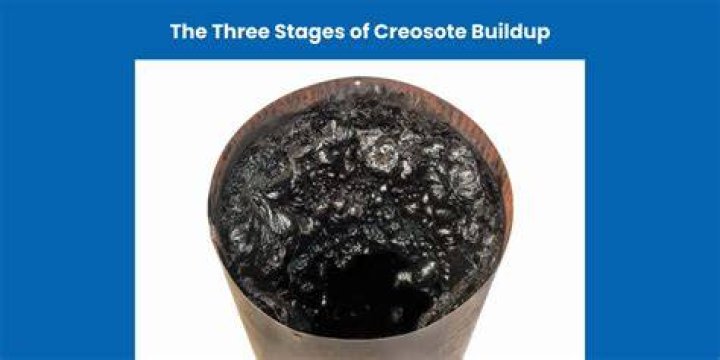
Stage 3 creosote, also known as glazed creosote, is creosote that is shiny, hardened, and extremely difficult to remove. If your sweep discovers stage 3 creosote in your chimney, they may suggest some intensive treatments to clear it.
At what temp does creosote build up?
Understanding the Bomb: Creosote Build-Up and Ignition
With repeated heating and high moisture content, the ignition temperature of creosote is generally considered to be 451 degrees, the same as paper (also why the book is called Fahrenheit 451).
Will burning rock salt to clean chimney?
Sodium chloride, also known as table salt, is a simple chemical that is easy to find. Put a little salt in the fire while it is burning. The salt combines with the water in the burning wood to create a weak acid that travels up the chimney and dissolves small amounts of creosote.
What does Stage 3 creosote look like?
Stage 3: Thick Coating
The final stage of creosote buildup looks like a thick coating of tar in the chimney. It can even look like it's dripping down the sides of the chimney. This is because as it heats up, the creosote can actually melt into a wax-like state.