How do I know if I have Salmonella in my stool?
Diagnostic and Public Health Testing
Infection is diagnosed when a laboratory test detects Salmonella bacteria in stool, body tissue, or fluids. The test could be a culture that isolates the bacteria or a culture-independent diagnostic test (CIDT) that detects genetic material of the bacteria.
What does Salmonella do to your poop?
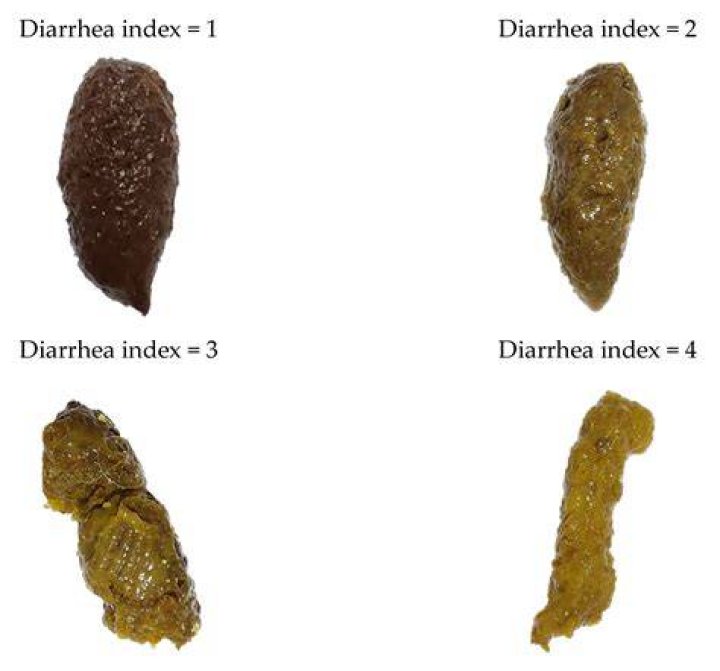
Most people with diarrhea caused by Salmonella recover completely, although some people's bowel habits (frequency and consistency of poop) may not return to normal for a few months. Some people with Salmonella infection develop pain in their joints, called reactive arthritis, after the infection has ended.
Can you poop out Salmonella?
Salmonella infection (salmonellosis) is a common bacterial disease that affects the intestinal tract. Salmonella bacteria typically live in animal and human intestines and are shed through stool (feces). Humans become infected most frequently through contaminated water or food.
How long does Salmonella last in stool?
Salmonella usually is a brief illness with stomach cramps and diarrhea that lasts four to seven days. In some people, the diarrhea can be severe or last longer. In general, children are more likely to get salmonella than other age groups.
Poop and Health: What Different Colors and Shapes Mean
Can Salmonella cause green poop?
Certain infections, like those caused by the bacterium Salmonella or the parasite Giardia, can also cause green stool. But other symptoms — including severe diarrhea, abdominal cramps and fever — are common with these illnesses.
What are 4 symptoms of Salmonella?
Key points about salmonella infections
- Salmonella infections are diarrheal infections caused by the bacteria salmonella.
- Symptoms of a salmonella infection may include diarrhea, fever, abdominal cramps 12 to 72 hours after infection chills, headache, nausea, or vomiting.
What kills Salmonella naturally?
Poultry naturally contains Salmonella, which you can kill by cooking the meat to an internal temperature of 165°F or higher. Cook all raw ground beef, pork, lamb, and veal to an internal temperature of 160 °F – and don't rely on guesswork.
What does Salmonella smell like?
Salmonella is the type of bacteria that's the most frequently reported cause of food-related illness in the United States. You can't see, smell, or taste it. Illness from these bacteria is officially called salmonellosis. It can cause an upset stomach, diarrhea, fever, and pain and cramping in your belly.
Does Salmonella cause bloody diarrhea?
Most people with a Salmonella infection experience: Diarrhea (that can be bloody) Fever. Stomach cramps.
Can you have a mild case of Salmonella?
Most cases of salmonellosis are mild; however, sometimes it can be life-threatening. The severity of the disease depends on host factors and the serotype of Salmonella.
How quickly does Salmonella make you sick?
Salmonella illness can be serious.
Symptoms usually start 6 hours to 6 days after infection. They include diarrhea that can be bloody, fever, and stomach cramps. Most people recover within 4 to 7 days without antibiotic treatment. But some people with severe diarrhea may need to be hospitalized or take antibiotics.
Can salmonella go away without antibiotics?
Can salmonella be cured without antibiotics? Most cases of non-typhoidal salmonellosis are treated without antibiotics. In fact, antibiotics may cause the infection to last longer. Typhoid fever, however, is always treated with antibiotics.
What is food poisoning diarrhea like?
Diarrhea is characterized by watery, loose stools and defined as three or more of this type of bowel movement in a 24-hour period. It's a typical symptom of food poisoning. It occurs as inflammation makes your bowel less effective at reabsorbing the water and other fluids it secretes during digestion ( 6 ).
Are E coli and salmonella the same?
Salmonella and E. coli are both bacteria and they are fundamentally very similar. Salmonella actually evolved from E. coli, about 100 million years ago.
Can Salmonella cause back pain?
In patients with normal immune function, the major symptoms of Salmonella spondylitis are back pain (100%), fever (75%), elevation of the ESR and elevated C-reactive protein levels (CRP).
Does Salmonella cause body aches?
Salmonella typhi infections typical exhibit symptoms such as fever, head and muscle aches, constipation or diarrhea, exhaustion, and stomach pain.
Do you need to see a doctor for salmonella?
First of all, if you know you have a weak immune system from illness or medications, you should always seek medical advice for the symptoms you would expect with a salmonella infection. However, if you are otherwise healthy, you should see your doctor if you are unable to keep food or drink down due to vomiting.
How does Salmonella cause diarrhea?
Invasion of epithelial cells stimulates the release of proinflammatory cytokines which induce an inflammatory reaction. The acute inflammatory response causes diarrhea and may lead to ulceration and destruction of the mucosa. The bacteria can disseminate from the intestines to cause systemic disease.
What should I eat to cure Salmonella?
Eat bland food
- bananas.
- cereal.
- egg whites.
- honey.
- Jell-O.
- oatmeal.
- plain potatoes, including mashed potatoes.
- rice.
Can Salmonella make you lose weight?
Most people recover fully from a salmonella infection. The typhoid fever form of salmonella spreads to the bloodstream. It can cause prolonged fever and weight loss. It can lead to death.
What are three high risk foods that may contain salmonella?
Salmonella can contaminate a variety of food, such as meat, eggs, milk, seafood, vegetables, fruits, and even chocolate, ice cream, and peanut butter. Salmonella can also contaminate pet food and pet treats, such as dog biscuits, pig ears, rawhide, and beef hooves.
What is the difference between food poisoning and salmonella?
coli and salmonella are both bacteria that can cause food poisoning. You can potentially catch pathogenic E. coli from infected animals or people whereas salmonella occurs in raw poultry, eggs, beef, and occasionally unwashed fruits and vegetables. E.
Why is my poop diarrhea green?
Food may be moving through the large intestine too quickly, such as due to diarrhea. As a result, bile doesn't have time to break down completely. Green leafy vegetables, green food coloring, such as in flavored drink mixes or ice pops, iron supplements. A lack of bile in stool.
Why is my poop dark green and I haven't eaten anything green?
Sometimes when you have diarrhea or other digestive issues, bile can't be broken down as quickly. The result can be poop that appears green in tint because of the natural green color of bile salts in your body.