What are the effects of disaster management?
Disaster preparedness activities embedded with risk reduction measures can prevent disaster situations and also result in saving maximum lives and livelihoods during any disaster situation, enabling the affected population to get back to normalcy within a short time period.
How does a disaster affect us?
In a disaster, you face the danger of death or physical injury. You may also lose your home, possessions, and community. Such stressors place you at risk for emotional and physical health problems. Stress reactions after a disaster look very much like the common reactions seen after any type of trauma.
How do disasters affect people and the environment?
Individual Impact
Natural disasters cause destruction of property, loss of financial resources, and personal injury or illness. The loss of resources, security and access to shelter can lead to massive population migrations in lesser-developed countries.
What is the role of disaster management in human life?
Disaster preparedness or management activities are aimed to minimise loss of life and damage in the event of a disaster. Disaster management forces can help by removing people and property from a threatened location and by facilitating timely and effective rescue, relief and rehabilitation at the place of disaster.
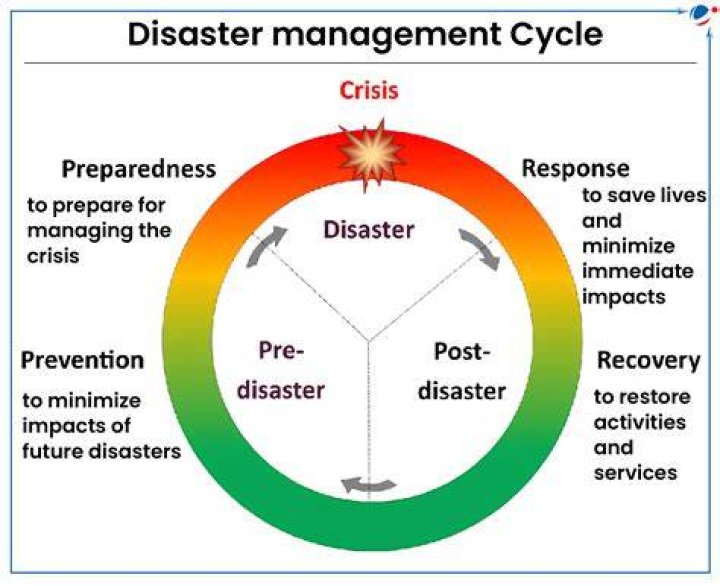
Disaster Management Cycle: Mitigation - Preparedness - Response - Recovery....
What is the importance of disaster management and why it is necessary?
Disaster management efforts aim to reduce or avoid the potential losses from hazards, assure prompt and appropriate assistance to the victims of a disaster, and achieve a rapid and effective recovery. It is crucial that hospitals remain safe and functional during and after disasters.
Why is it important for students to learn about disaster management?
It prepares both teachers and students for potential disasters, thereby reducing the impact of said disaster. If the students can then transfer the knowledge to members of their families, it becomes general knowledge and the community can prepare as well.
Why is disaster rIsk management important?
Disaster rIsk reduction not only saves lives, it helps to improve them — freeing up more funds for organizations like Concern to use towards long-term development versus in-the-moment emergency response.
What are the effects of disaster essay?
The effects of natural disasters are both short-term including loss of life and damage to property and long-term affecting the economic stability of a region or a country. Damage to infrastructure and energy production centers lead to adverse effects on a country's economic development.
What are the causes of disaster management?
There are a lot of factors that are relevant to disaster management like weak infrastructure, poor planning of land use, inadequate laws and laidback perspective of people.
...
The categories are,
- Water and Climate.
- Geological.
- Biological.
- Nuclear and Industrial.
- Accidental.
How does natural disasters impact the well being of humans today?
isolation (spending more time in their room or alone) new awareness of death and mortality. difficulty talking about traumatic events. decline in educational functioning, concentration and poor learning outcomes.
How does natural disasters affect human development?
The first direct impact of natural disasters on human development is obviously detrimental, causing—at its worst—deaths, injuries and disabilities, but also the destruction and damage of housing, basic infrastructure, productive capital and physical assets in general and disrupting marketing chains (Ginoux and Menendez ...
What is disaster impact?
Disaster impact is the total effect, including negative effects (e.g., economic losses) and positive effects (e.g., economic gains), of a hazardous event or a disaster.
How does a disaster affect different aspects of society?
Trauma and grief will put personal, family and community relationships under pressure. The mental health impacts of disasters can lead to an increase in problematic alcohol and drug use, self-harm, violence and abuse – which may well act as early warning signs.
What are the three main effects of a disaster?
6.1 Short-Term Effects
- 1 Victims, Selective Mortality, and Population Recovery. ...
- 2 Land Loss and Capital Destruction. ...
- 3 Economic Crisis. ...
- 4 Scapegoating, Blame, and Social Unrest.
What is it that disasters bring to humans?
People who live through a disaster can experience emotional distress. Feelings of anxiety, constant worrying, trouble sleeping, and other depression-like symptoms are common responses to disasters before, during, and after the event.
What is disaster management in short paragraph?
Disaster management refers to the efficient management of resources and responsibilities that will help in lessening the impact of the disaster. It involves a well-planned plan of action so we can make effective efforts to reduce the dangers caused by the disaster to a minimum.
What do you understand by disaster management?
Disaster management is a process of effectively preparing for and responding to disasters. It involves strategically organizing resources to lessen the harm that disasters cause. It also involves a systematic approach to managing the responsibilities of disaster prevention, preparedness, response, and recovery.
What are the effects of disasters on the economy of a community?
The economic damage caused by disasters varies. Capital assets and infrastructure such as housing, schools, factories and equipment, roads, dams and bridges are lost. Human capital is depleted due to the loss of life, the loss of skilled workers and the destruction of education infrastructure that disrupts schooling.
How important is disaster awareness and preparedness?
There are real benefits to being prepared:
Being prepared can reduce fear, anxiety, and losses that accompany disasters. Communities, families, and individuals should know what to do in the event of a fire and where to seek shelter during a powerful storm.
What do you think are the factors that affect the disaster risks?
Annotation: Underlying disaster risk drivers — also referred to as underlying disaster risk factors — include poverty and inequality, climate change and variability, unplanned and rapid urbanization and the lack of disaster risk considerations in land management and environmental and natural resource management, as ...
How can we reduce the impact of natural disasters?
Awareness, education, preparedness, and prediction and warning systems can reduce the disruptive impacts of a natural disaster on communities. Mitigation measures such as adoption of zoning, land-use practices, and building codes are needed, however, to prevent or reduce actual damage from hazards.
What is disaster risk and management?
Disaster risk management is the application of disaster risk reduction policies and strategies to prevent new disaster risk, reduce existing disaster risk and manage residual risk, contributing to the strengthening of resilience and reduction of disaster losses.
What are the causes and effects of disaster?
Changes in the above or underneath the earth's surface cause geological disasters. The effects of natural disasters due to tectonic plates are unpredictable and beyond human control. Earthquakes, volcanic eruptions, landslides, avalanches, etc., are examples of geological disasters.
How do natural disasters affect education?
The psychological impact of natural disasters can hinder a student's ability to perform well in school. After a natural disaster, survivors have shown symptoms similar to post- traumatic stress disorder (PTSD), which can last up to five years following the disaster and decrease academic performance.