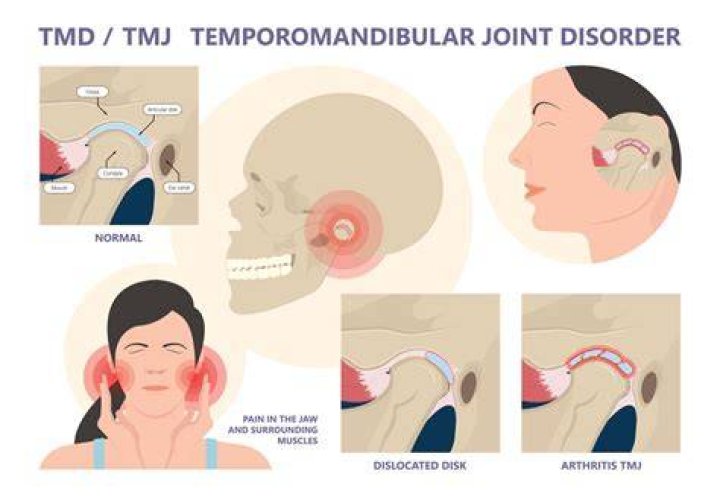
The Connection Between High Blood Pressure and TMJ
Stress is the common denominator between high blood pressure (hypertension) and TMJ. It is a root cause for TMJ pain and high blood pressure in many cases, and more stress often makes both matters worse.Can TMJ affect heart rate?
TMD has been associated with cardiac arrhythmia. Characteristics of arrhythmia include irregular or abnormally fast or slow heartbeats. Arrhythmias, while often innocuous, can be fatal. Dizziness, fainting, chest pain, fatigue, and cardiac arrest are some common symptoms.
Does TMJ affect blood flow?
When you lack the proper amount of oxygen and blood, your muscles begin to produce additional amounts of lactic acid. Increased levels of lactic acid generally lead to cramping, spasms and pain. A lack of blood means less circulation to the brain. This causes constant headaches and migraines associated with TMJ.
Does TMJ raise your blood pressure?
TMJ headaches can also be caused by a build-up of blood pressure. When the muscles in your head, face and neck are strained, blood is prevented from flowing to the right places. Then your body attempts to correct the problem by sending more blood to the area, which increases blood pressure.
How do you get rid of TMJ pressure?
Here are eight ways you can help relieve pain in your TMJ and manage symptoms without surgery:
- Maintain the resting position of your jaw. ...
- Correct your posture. ...
- Get a good night's sleep. ...
- Use a hot or cold compress. ...
- Reduce stress. ...
- Exercise your jaw. ...
- Take notice of bad habits. ...
- Avoid certain activities and foods.
High Blood Pressure & Obstructive Sleep Apnea
How does TMJ affect entire body?
It's all connected.
Even a slight imbalance in your TMJ (jaw joints) can leave you suffering from headaches, nausea, dizziness, poor body posture, premature wearing of your teeth, decreased strength and flexibility, compromised breathing airways, muscles soreness and tenderness and many more symptoms.
How I cured my TMJ naturally?
Natural TMJ Pain Remedies
- Eat Soft Foods. One of the best ways to start finding relief from TMJ pain is by simply just eating softer foods. ...
- Learn Stress Management. One of the top causes of TMJ is actually stress. ...
- Wear a Bite Guard. ...
- Limit Jaw Movements. ...
- Try Acupuncture or Massage Therapy. ...
- Use Heat or Cold Therapy.
Can TMJ cause shoulder and arm pain?
To enable you to chew and close your mouth properly, your jaw muscles may be working overtime to try and keep your head posture in balance. When these muscles become fatigued it can send pain down your neck and into your shoulders and back. The pain can even radiate down your arms in severe cases.
Can TMJ affect your neck and shoulder?
Temporomandibular joint disorders are a common cause of neck and shoulder pain. In fact, experts estimate that up to 70 percent of neck problems may be related to temporomandibular joint dysfunction.
Can TMJ cause tight neck muscles?
People with TMJ disorder usually have some or all of the following symptoms: jaw and facial pain with tension. neck tension/pain.
Can TMJ make you feel unwell?
An imbalance in your temporomandibular joint can cause headaches, dizziness, nausea, teeth grinding, limited jaw movement, muscle soreness and can change the alignment of your jaw. When your jaw alignment is off, the effects ripple through your entire body.
Can TMJ feel like sinus pressure?
Patients with TMJ may also have sinusitis-like symptoms, including sinus pressure and stuffiness. The difference is that TMJ disorder also presents with one or more of the following symptoms that aren't related to chronic sinusitis: Pain or tenderness in the jaw or at the temporomandibular joint area.
What does a TMJ flare up feel like?
muscle spasms that may include eye, cheek or neck twitching; facial swelling around the TMJ; tightness in the jaw, which can limit your range of motion or manifest itself as lock jaw where your jaw is unable to move until the joint is realigned by a professional.
Can TMJ give you heart palpitations?
It can cause heart palpitations, headaches and stomachaches, sweating and irritability. Some people overeat while others lose their appetite. For about 10 million Americans - many of them women of childbearing age - stress causes severe jaw pain, a condition called TMJ Syndrome.
How do I know if my jaw pain is heart related?
Other potential heart attack signs
Neck, jaw, arm, and back pain: Pain radiating to your jaw, back, neck, or arms may signal a heart condition, especially if the origin is hard to pinpoint. For example, you might feel pain, but no specific muscle or joint aches.
Can TMJ cause shortness of breath?
TMJ disorders and breathing problems are intricately linked; TMJ disorders can cause breathing problems, and breathing problems can result in a TMJ disorder. Issues with the alignment of your jaw and your bite can lead to airway problems.
What can be mistaken for TMJ?
Conditions That May Be Mistaken for TMJ Disorder
- Trigeminal Neuralgia. Just as you have two temporomandibular joints on each side of the face, you also have two trigeminal nerves that control your jaw. ...
- Cluster, Migraine, or Tension Headaches. ...
- Sinus Issues. ...
- Other Causes of TMJ Pain.
What kind of problems can TMJ cause?
Left untreated, TMJ disorder can lead to significant health problems, including chronic pain and inflammation. It can also cause bite issues, tooth erosion and long-term conditions such as sleep apnea, insomnia, depression and anxiety.
Can TMJ affect your arm?
A TMJ (temporomandibular joint) disorder is a common problem that often goes undiagnosed due to the array of symptoms associated with the condition. Arm numbness and/or tingling in the arms and hands could be a sign that you have a TMJ disorder.
How long does a TMJ flare up last?
Most flare-ups last anywhere from two days to a few weeks. Symptoms of a TMJ flare-up can include one or more of the following: Pain in and around the jaw joint – constant or intermittent.
Can chiropractor fix TMJ?
If you're wondering, “does seeing a chiropractor help with TMJ?” then we have some good news for you. Not only does chiropractic treatment for TMJ help ease the pain when you visit a chiropractor but you can also do some soft tissue work at home to help loosen up your jaw muscles and reduce pain.
Can TMJ cause dizziness?
Specifically, inflammation caused by TMJ can reach the sensors in your ears that are responsible for sending information to your brain about the position and movement of your body. As a result, you may feel dizzy, lightheaded, and experience a jarring loss of balance.
Will TMJ ever go away?
Remember that for most people, discomfort from TMJ disorders will eventually go away on its own. Simple self-care practices are often effective in easing symptoms. If treatment is needed, it should be based on a reasonable diagnosis, be conservative and reversible, and be customized to your special needs.
Is TMJ a medical or dental problem?
Because TMJ can be a medical problem, a dental problem, or a combination of both, it is beneficial to understand what is causing the patient's disorder before creating a treatment plan.
What is the best medication for TMJ?
The best medicines for TMJ pain are over-the-counter painkillers and anti-inflammatories, such as Tylenol and ibuprofen. In some extreme circumstances, a dentist may prescribe something stronger, but even then it's likely to be a prescription ibuprofen, not opioid painkiller.